


Automotive Window Tint Film
Loading products...


70% VLT Advanced Nano Ceramic Window Tint Film


70% VLT Advanced Nano Ceramic Window Tint Film
Price
From $59


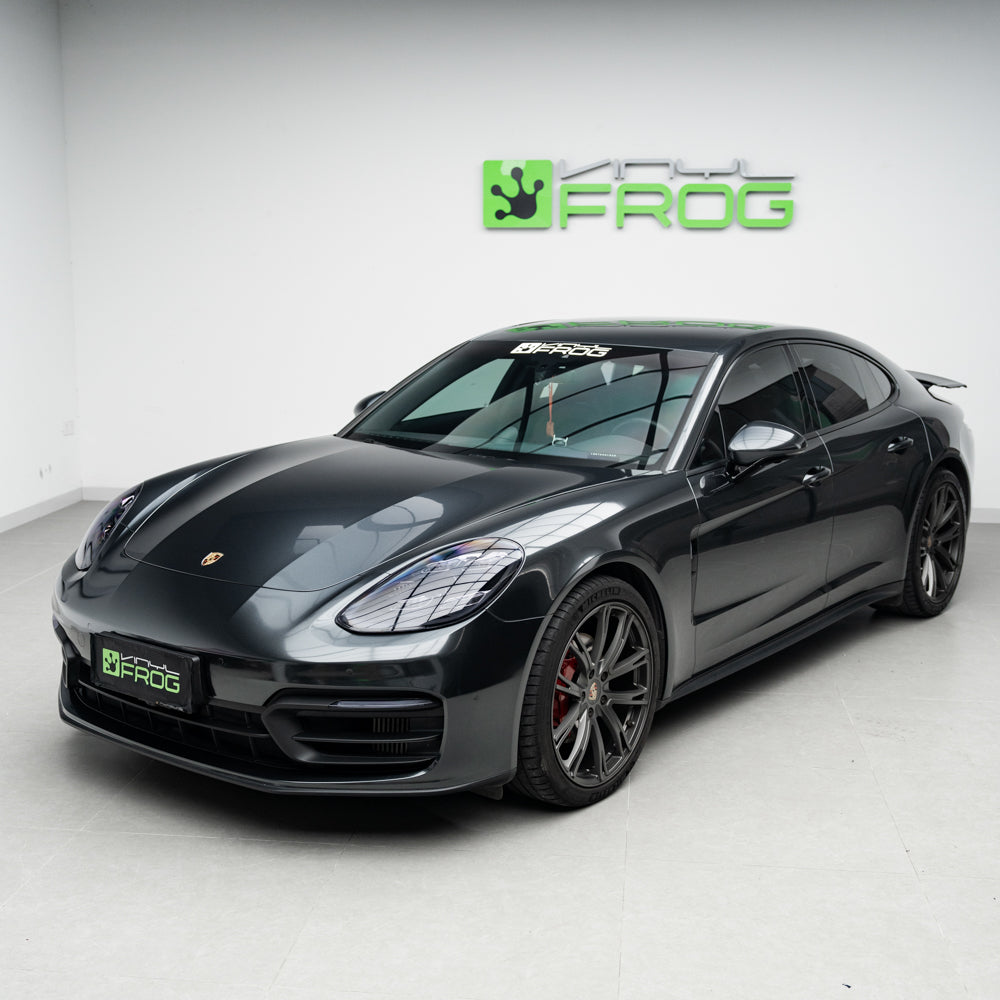
Every film in this collection is nano ceramic window tint, from our near-black 5% to our two light 70% films. The ceramic particles in the film block most of the infrared light that heats up your car, so even the lightest roll here makes a real difference on a hot day. All six films stop at least 99% of UV, contain no metal that could interfere with your phone or GPS, and come on 5 ft wide rolls in lengths from 3.3 ft for a single window up to 98 ft.
What Every Film Includes
- Up to 8 years of durability: A scratch resistant top layer stands up to seatbelt buckles and daily window use, and the film resists bubbling, peeling, and edge lifting.
- Less glare, safer driving: Every shade softens glare from low sun during the day and from headlights behind you at night, so you squint less on the road. Darker shades cut more.
- Shatter protection: If a window breaks, the film holds the pieces together instead of letting them spray into the cabin.
How Dark Should You Go?
VLT stands for visible light transmission, the percentage of visible light that makes it through the film. A 5% film lets in 5% of the light and blocks 95%, so it looks almost black from outside. A 70% film blocks only 30% and looks close to clear.
It's easy to assume the darkest tint keeps a car the coolest. With ceramic film, the gap is smaller than you'd think. Most of the heat you feel comes from infrared light you can't see, and every film on this page blocks well over 90% of it. Darker shades add privacy and cut more glare, but heat rejection is strong at every level. Choose based on the look you want, how much privacy you need, and what your state allows.
Our Range of Products
- 5% VLT Nano Ceramic Window Tint Film: Limo black. Solid black from outside and rejects 69% of solar energy, tied for the best in the lineup. Best for rear windows and show cars.
- 10% VLT Nano Ceramic Window Tint Film: Deep black with a little more light at night. Same 69% solar energy rejection as 5%, with a slightly clearer view.
- 20% VLT Nano Ceramic Window Tint Film: Our most popular shade, with the classic factory privacy glass look. Rejects 65% of solar energy and keeps decent night visibility.
- 40% VLT Nano Ceramic Window Tint Film: A medium smoke that cuts glare and keeps the cabin bright. Rejects 60% of solar energy and is a common pick for front side windows where allowed.
- 70% VLT Nano Ceramic Window Tint Film: Light blue and close to clear. Blocks 99% of UV and rejects 49% of solar energy, good for strict tint states.
- 70% VLT Advanced Nano Ceramic Window Tint Film: The same light look with more cooling. Rejects 57.7% of solar energy and 99.8% of UV, close to the 40% film on heat.
Specs at a Glance
Total solar energy rejected (TSER) is the best single number for comparing heat, since it counts UV, visible light, and infrared together.
| Film | Shade | UV rejection | IR rejection (950 / 1400 nm) | TSER | Haze (lower is clearer) |
| 5% VLT | Dark black | 99% | 98% / 99% | 69% | 0.85 |
| 10% VLT | Deep black | 99% | 98% / 99% | 69% | 0.75 |
| 20% VLT | Black | 99% | 97% / 99% | 65% | 0.65 |
| 40% VLT | Light black | 99% | 96% / 99% | 60% | 0.56 |
| 70% VLT | Light blue | 99% | 94% / 97% | 49% | 0.26 |
| 70% VLT Advanced | Light blue | 99.8% | 93.2% / 97% | 57.7% | 0.26 |
Manufacturer test values for the film alone. Your results will depend on the glass and the quality of the install.
Check Your State's Tint Law First
Each state sets its own VLT limits, and most are stricter on the windshield and front side windows than on the rear. The legal number is usually measured through the film and the glass together, and factory glass already blocks some light on its own, so a 70% film on your front windows will often read lower than 70% once it's on the car.
A common setup is a darker shade like 20% on the rear windows and a lighter one like 40% or 70% up front, depending on your state. Look up your state's rules before you order.
How Much Film Should You Order?
Every roll is 5 ft wide and comes in 3.3, 10, 16, 33, 49, 65, 82, or 98 ft lengths. As a rough guide:
- 3.3 ft covers one or two windows, a sunroof, or a test piece so you can see the shade on your own glass first.
- 10 ft covers the side windows on a standard sedan.
- 33 ft covers the side windows plus the rear windshield, with film to spare if a piece goes wrong.
- 49 ft or more is the right call if you're also doing the front windshield, or tinting an SUV or minivan with a lot of glass.
- 65 ft to 98 ft is meant for tint shops, fleets, and multiple vehicles.
When in doubt, order the next size up, and plan to install the film within three months of delivery for the best adhesion.
Frequently Asked Questions
Q. Is window tint applied on the inside or outside of the glass?
Always the inside. That keeps the film away from rain, car washes, and road debris, which helps it last much longer.
Q. Will darker tint keep my car cooler?
A little, but less than most people expect. Our films reject between 49% and 69% of total solar energy, and the ceramic blocks most of the infrared at every shade. Going darker mainly adds privacy and glare control.
Q. Does nano ceramic tint interfere with phone or GPS signals?
No. There's no metal in the film, so cell service (including 4G and 5G), GPS, Bluetooth, satellite radio, and toll tags all work normally.
Q. Will the tint turn purple over time?
No. Purple tint is a sign of cheap dyed film breaking down in the sun. Our ceramic films are color stable and built to hold their shade for the life of the film.
Q. What's the difference between the 70% and the 70% Advanced?
They look the same on the car. The Advanced film rejects more heat (57.7% of total solar energy versus 49%) and slightly more UV (99.8% versus 99%). If heat is the main reason you're tinting, go with the Advanced.
Q. Can I install it without a professional?
Yes, if you're patient. Start with a flat side window, work in a clean, dust free space, and order a little extra film for practice. Curved rear glass is the hardest part, and plenty of buyers have a local shop handle just that piece.
Q. How long does the film last?
The 8 year rating assumes normal use. A car that sits in direct sun every day in a hot climate will wear its film faster than one parked in a garage, and a careful install matters as much as the film itself.
- Choosing a selection results in a full page refresh.

!