


Updated By Vinyl Frog On March 6, 2025
Partial Vehicle Wraps

The trend of customizing cars with vinyl wrap is growing at a fast pace. While driving along the highway or even just around the neighborhood, you might have seen quite a few vehicles wrapped to perfection in exquisite shades of vinyl. Some designs are extremely eye-catching and leave an everlasting imprint on your mind. Vinyl wrapping is gaining traction amongst enthusiasts who love to add a personal touch to their precious set of wheels.
Vinyl wraps are an ideal choice as compared to repainting your vehicle since they are affordable and cost-effective. An excellent vinyl film lasts for a good four to five years. Plus, you have the option of giving your car a full or a partial wrap according to your preference and budget. At Vinyl Frog, we have the supreme quality vehicle wraps available in a wide range of amazing colors and finishes. If you want a partial wrap, read on to find out what it entails.
What Is A Partial Wrap?
While full vinyl wrap is applied to the whole body of the vehicle, partial wrap covers only some portions of the car. Usually, it is applied on the hood, sides, trunk, roof, bumpers, wing mirrors or doors of the vehicle. You have the liberty to employ any design to make your vehicle look a cut above the rest. With the doors of creativity wide open, you can mix and match colors, use spot graphics, apply decals or even use your vehicle for advertising your product or services on a partial wrap.

If you do not want to change the color of your vehicle, partial wraps are a reasonable choice. They can take up anywhere from one-quarter to three-quarters of an automobile’s exterior. They are applied in such a way that they give the illusion of a full wrap. Many partial wraps create a captivating subtle design and also include window graphics made of solid or perforated vinyl.
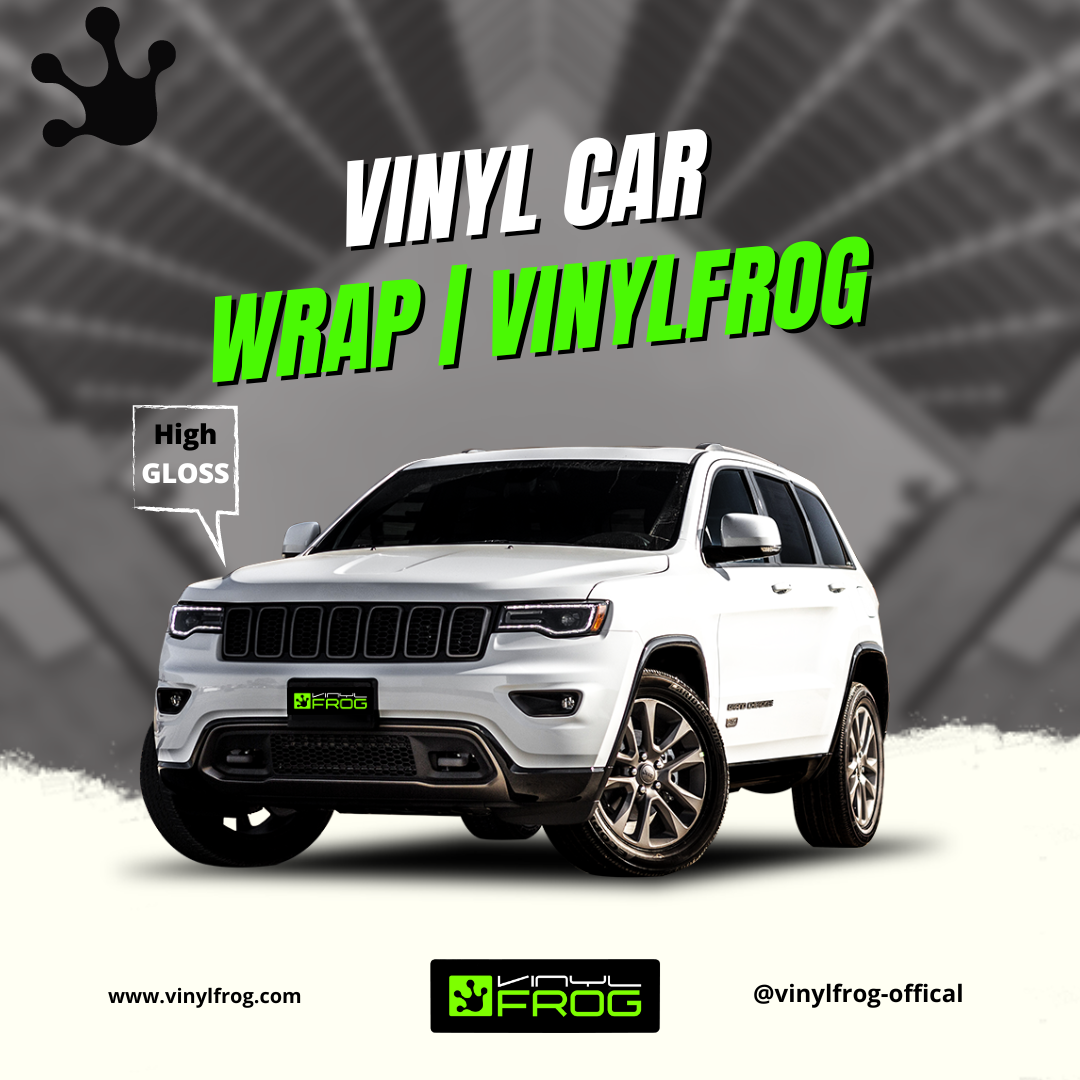
Partial vehicle wraps should be installed by a professional after discussion regarding the design and its placement. Though the final say is yours, an automotive vinyl expert can give you ideas about which shade will complement the original color of the vehicle to make an eye-catching design.
Parts Of A Vehicle For Partial Wrapping
Partial wraps are an incredible option for those who only want a slight tweak and not the complete overhaul. The color of the vinyl can present a beautiful contrast with the original paintwork of the vehicle making the decal or design stand out. In this way, you do not only personalize your ride but also retain its original aesthetic. If you love the factory paint of your car and want to showcase a little bit of it along with some designs on the body then a partial wrap is a great choice. Following are areas where it can be applied:

- Hood
- Roof
- Trunk
- Front and rear bumpers
- Fenders
- Wing mirrors
- Tailgate doors
- Rocker panels
- Wheels and rims.
You can opt for two or more parts of the vehicle and it will still be a partial wrap.
Benefits Of A Partial Vinyl Wrap
Not everyone likes a full car wrap. Some people just want to add an accent to their vehicle with a different colored hood or simple stripes, or just a message. This is where partial wraps help in. There are many factors that instigate your decision to partially wrap your vehicle. Its key advantages are:
Highly Cost Effective
Partial wrapping can prove to be highly economical as compared to a full car wrap. The cost depends on how many parts of a vehicle are being wrapped as well as the design selected. On an average, it ranges from $500 to $1000.

A full wrap, on the other hand, will cost around $1500 to $3000 which is almost double. If you are low on budget but still want your vehicle to be a real head turner on the road, wrapping it partially is the best option.
Time Saving
Vinyl wrapping your vehicle is a job that requires a lot of patience, perseverance and time, especially if you have opted to go for a full wrap. The installation of partial car wrap saves a lot of time. Wrapping a few parts like a door, hood, or trunk can be done easily without putting in hours and hours of hard work. If you want only bumpers to be done and they have a complex design, this might take some time.
Less Vinyl Needed
Since a partial wrap covers only 25%-75% percent of your vehicle, depending on the design that you have in mind and the parts that need to be covered, you do not require many rolls of vinyl for it. This is a big financial advantage and reduces the overall cost of wrapping.

How Much Vinyl Needs To Wrap Your Vehicle

Order too little and you cannot finish the job. Order too much and you waste material and money. Most vehicles need between 50 and 125 feet of vinyl wrap depending on type and size. Compact cars like the Mini Cooper typically use around 50 to 55 feet. Sedans such as the Tesla Model 3 need 55 to 65 feet. Larger SUVs, trucks, and vans can require up to 125 feet for full coverage. Motorcycles sit at the other end of the scale, needing just 10 to 15 feet for a complete wrap. This guide breaks down the numbers by vehicle type and walks through everything that affects your final calculation.
Factors to Consider When Calculating Vinyl Wrap Requirements
Several factors affect how much vinyl you’ll need beyond just vehicle size. Here’s what professionals consider before starting a wrap project:
-
Vehicle Size and Shape: Larger vehicles like SUVs, vans, or trucks need more vinyl than compact cars or motorcycles. Curved or detailed body panels also require extra material for stretching and trimming.
-
Wrap Type: A full wrap covers the entire exterior, while a partial wrap focuses on select areas like the hood or roof. Partial wraps can reduce material needs by 30–50%.
-
Finish and Thickness: Matte, gloss, metallic, and textured films differ slightly in stretch and thickness. Thicker wraps may need more overlap and precision.
-
Skill Level: Always add 10–20% extra vinyl for seams, errors, and adjustments. Beginners should allow a little more to avoid running short.
-
Surface Details: Accessories like mirrors, spoilers, and bumpers add surface area. Measure these separately to ensure complete coverage.

How to measure your vehicle
Use a measuring tape to record the length and width of each major panel: hood, roof, doors, fenders, and bumpers. Add those figures together to get your total surface area, then apply the 10 to 20 percent buffer on top. This covers overlaps, complex curves, and minor errors during installation.
For a standard 60-inch wide roll, divide your total surface area by 5 feet (the roll width) to get the linear footage you need. Most vinyl suppliers sell by the linear foot off a 60-inch roll, so this calculation gives you a number you can order directly.

How Much Vinyl You’ll Need to Wrap Different Types of Vehicles
| Vehicle Type | Estimated Vinyl Needed | Recommended Roll Width | Notes |
| Motorcycle / Scooter | 10–15 ft (3–5 m) | 60 in (1.52 m) | Small panels and curved surfaces; allow extra for tank and fairings. |
| Compact Car / Hatchback | 50–55 ft (15–17 m) | 60 in (1.52 m) | Ideal for vehicles like Mini Cooper or Honda Fit. |
| Sedan / Coupe | 55–65 ft (17–20 m) | 60 in (1.52 m) | Covers four doors, roof, bumpers, and mirrors with minor overlap. |
| SUV / Crossover | 65–75 ft (20–23 m) | 60 in (1.52 m) | More surface area and curves—common for Model Y, RAV4, etc. |
| Pickup Truck | 75–90 ft (23–27 m) | 60 in (1.52 m) | Add extra for tailgate, bed sides, and wheel arches. |
| Van / Commercial Vehicle | 90–125 ft (27–38.1 m) | 60 in (1.52 m) | Larger, flat panels; ideal for fleet and branding wraps. |
| Boat / Watercraft | 20–150+ ft (6–46+ m) | 60 in (often multiple rolls) | Varies hugely by vessel: small tenders & PWC (20–40 ft), runabouts & center consoles (40–100 ft), large yachts need custom estimates. Use marine-grade vinyl & adhesives, and consider professional installation. |
Each vehicle type has unique dimensions and contours, so these figures serve as general professional estimates. For best results, always order 5–10 extra feet to account for edges, patterns, and trimming.
How Long Does It Take to Wrap a Vehicle?
The time it takes to wrap a vehicle depends on its size, design complexity, and installer experience. On average, a full car wrap takes 1 to 3 days, while larger vehicles such as SUVs, trucks, or vans can take 3 to 5 days to complete. If you’re wrapping a boat or other watercraft, installation may stretch to 5–7 days, since marine wraps require more precision and surface preparation.
Professional wrap shops typically spend the first day cleaning and prepping the surface, followed by panel wrapping and detailing on the next. Intricate designs, multi-color wraps, or custom graphics can extend the timeline further. DIY installations usually take longer, especially for beginners, since it’s essential to work slowly to prevent air bubbles and ensure proper adhesion.

Final Words
Knowing how much vinyl your vehicle needs saves you from costly mistakes and wasted material. Most cars require 50–75 feet, while larger SUVs or vans may need up to 125 feet for full coverage. Always add a little extra for curves and trimming to ensure a smooth, professional wrap every time.
Design Flexibility
Partial wrapping offers flexible positioning on the sides, trunk, or hood for best impact. You can opt for adaptive designs that match the color of the vehicle's paint. You can be as creative as you want and experiment with different looks.
Partial Wraps For Advertising
Partial wraps can also benefit your business. Vinyl wraps are an outstanding way to market your brand, publicize your product, and get known in all the right places to flourish your enterprise. A partial wrap is highly beneficial in this regard in the following ways:
- You can choose the most strategic places on your vehicle for partial wrapping that offer high visibility to market your brand. Hence you do not have to use the roof as no one will notice the decals there.
- Partial wraps also give you a chance to change your marketing information occasionally to help in advertising your brand or any special events.
- You can also promote more than one product at the same time as well. You might want to cover your door with one brand and the hood or the other side with another.
- You don't need to wrap every inch of your vehicle to advertise your brand to get noticed. Partial wrapping is highly effective. You can always use a wrap to enhance the existing color of your vehicle by choosing a design that perfectly fits in. This develops a great impact without a heavy price label.
- The good thing about partial wraps is that they can be removed once the advertising is done without damaging the paint underneath. You will not have to worry about faded colors behind or any residue after the removal of the wrap. This means you have the option to change marketing communications periodically.
- Partial wraps are often specified to those parts that receive most of the attention. For instance, you must have seen ads on fleets positioned on the hood in reverse so you can read them from the rearview mirror easily. Advertising on the doors of the vehicle is another good option for maximum outreach.

Automobiles are distinctly visible and partially wrapping them with advertisement is one of the most cost-efficient marketing investments that you can endeavor to make.
The Cost Of A Partial Wrap
Commercial and personal vehicles both can be transformed with a partial wrap. Whether it's for your business advertising or your car to rock on the road, this option will always stay on top. Partial wraps are a reason for most of the attention-grabbing vehicles you see on the road. They target a smaller area of the vehicle without compromising product visibility.
Every vehicle is different from the other hence the placement of a partial wrap might also differ. This affects the price of installation significantly. The factors that influence the cost of applying partial wraps are the following:
- The purpose of wrapping plays a very important role. If it is for aesthetics, it might cost less than the vinyl for advertising because the printing costs are nor incurred.
- Dimensions of the vehicle also affect the price. Partially wrapping a small vehicle such as a coupe or mini will be less expensive than a SUV or a truck.
- Another important factor is the type and make of the vehicle. The ones that have more curves, contours, angles, and indentations are more difficult to work with, therefore their cost will be higher.
- The wrap's shape and the overall design can raise or lower the price. If the design is complex, it will be more expensive.
- If the vinyl is of supreme quality, it will obviously be more expensive. It is advised not to compromise on price as far as the quality of the vinyl is concerned.
- The cost of printing graphics on the vinyl film also affects the final price.

How Much Does It Cost To Wrap A Car?

Wrapping a car in 2026 typically costs between $2,000 and $7,000, depending on the vehicle size, wrap material, and finish style. Smaller sedans usually fall in the $2,000–$3,500 range, while SUVs and trucks average $3,500–$6,500. For luxury or exotic models, prices often climb to $8,000–$12,000+, especially when using premium films. Vinyl wraps are priced by surface area.
Material alone runs about $1.50–$8 per square foot, while professional installation adds $3–$5 per square foot for labor, trimming, and panel removal. Complex finishes like chrome or color-flip wraps can total $15–$18 per square foot, reflecting the precision and time required. Beyond aesthetics, a high-quality wrap helps protect factory paint, improve resale value, and gives owners or businesses the freedom to refresh a vehicle’s look without the permanence or cost of repainting.
Vinyl Wrap Cost Chart For Different Types Of Vehicle
-
Family Sedan: The baseline cost for fully wrapping a family sedan is $3000.
-
Compact car: The cost of wrapping a small car can begin from $2000.
-
Coupe: Depending on its size, the initial cost can range from $2000 to $3000.
-
Compact Crossover: On an average, the cost for wrapping them can start from $3000.
-
SUV: Wrapping a full size SUV can be a bit expensive starting from $4000.
-
Jeep: Depending on whether you have a two-door or a four-door vehicle, the average cost is $3000 to $4500.
-
Truck: For Wrapping a Truck, the starting Cost of Wraping a Truck would be Between $1,000 To $5,000 primarily due to its size. If it is a small truck, the cost might start from $2000.
-
Commercial vehicles: The average cost for fully wrapping a commercial vehicle such as a van is about $3000 to $5000.
-
Luxury cars: High-end, exotic, luxury vehicles can cost from $5000 to $10000. This is because installers have to be extra cautious while wrapping these cars. According to expert opinion, wrapping an Audi, for example, can start from $6500; Lamborghini from $4000 to $5000, and a Ferrari roughly $7000. A Rolls-Royce would cost about $10,000 because its body panels are more complicated to remove.
What Drives The Final Cost
-
Vinyl quality: Cast vinyl is more expensive than calendered vinyl but significantly more durable, conformable, and easier to remove cleanly. Calendered films may be 50 to 70 percent cheaper upfront but tend to warp at edges, form bubbles, and damage paint on removal. Cast vinyl is the right choice for any vehicle you care about.
-
Custom design and print: A basic custom design adds around $500. Intricate multi-color graphics or full commercial fleet designs can exceed $2,000 on top of the base wrap cost. Printable vinyl costs more than standard color vinyl.
-
Labor and installer location: Professional labor typically runs $1,000 to $3,500 depending on the vehicle size, design complexity, and the location of the shop. Installers in high-cost areas charge more. Larger and more complex vehicles take longer and cost more in labor regardless of location.
-
Climate and location: Colder climates require more time for the vinyl to heat, set, and cure properly during installation, which adds to labor time and overall cost. Warmer climates generally allow faster installation.
-
Additional treatments: A nano-ceramic coating applied over the wrap adds protection against UV, water, and minor scratches. This treatment typically costs $1,500 for a compact car and $1,800 for an SUV on top of the base wrap cost.

Vinyl Treatments - To Make Your Wrap Long-Lasting
Once you have installed your favorite vinyl, you might want extra protection to ensure its longevity. Any treatment for this might add to the total cost of wrapping. For example, liquid Nano-ceramic coating acts as a durability enhancer and shield for the wrap against damage from water, UV rays and minor scratches. For a compact car the cost of the treatment can be $1,500 and $1,800 for an SUV.

Quantity Of Wrap Required According To The Type Of Vehicle
The quantity of vinyl wrap that a vehicle may need depends on its size and make. According to a rough approximation compact cars require 15-17 meters; mid-size cars require 18-20 meters, and full-size cars, small SUVs and small vans need 20-23 meters. Keeping in mind your vehicle, you can gauge how much vinyl you need from the list below:
Partial wrap
-
Roof, hood and trunk wrapping can be $300 each.
-
Door handles $60 each.
-
Side-view mirrors $100 each.
-
Spoilers around $300.
Custom Design And Commercial Wrap
Having a custom design in mind and a certain look for your vehicle, or wrapping it for commercial use, advertising and so on affects the cost of installation. If a custom design is intricate and requires the whole vehicle to be wrapped, it will need more material and more labor resulting in a higher price. Simple commercial wraps can be as low as $3,000, while an intricate custom wrap can reach up above $10,000
Location And Climatic Factors
Location plays a significant role as far as the cost of a car wrap is concerned. If you live in a colder climate, the car wrap installation will cost more as it will take longer for the heat to set in and the wrap to heal. If you live in a warmer climate, the car wrap will be cheaper because the temperature will keep the heat in longer.
DIY Car Wrap Cost
DIY wrapping costs between $1,000 and $2,500 in materials, which is considerably less than professional installation. However, it requires patience, the right tools, and enough space to work around the full vehicle. A poor DIY result can be difficult and expensive to fix. If you are confident in your ability to work carefully and methodically, here are the tools you will need.
- Squeegee for smoothing and removing air bubbles
- Heat gun for activating adhesive and conforming curves
- Wrapstick flex for tucking vinyl around edges
- Infrared thermometer to monitor surface temperature
- Precision knife or snitty blade for clean trimming
- Surface cleaner and isopropyl alcohol for prep
- Clay bar to remove contaminants before application
- Microfiber cloths for cleaning and drying
- Tape measure for accurate sizing
- Masking tape to protect unwrapped areas
- Small magnets to hold vinyl in position during alignment
- Gloves for grip and to prevent fingerprints on the film
- Spray bottle for applying cleaner as needed
- Tweezers for weeding vinyl from tight crevices
Frequently Asked Questions
Final Words
Nowadays car wrapping is all the rage not only because it glamorizes and bedazzles, but also due to its benefits as far as protection of the exterior is concerned. When opting to wrap a car, the cost factor plays an important role that is influenced by various factors. The DIY option is cheaper but it is only for those who are well versed and know their way around. Professional installation is the preferred way to go that might be heavier on the pocket but the results will be outstanding.
Simple lettering can cost around $500. If you want decorative stripes, a design or graphics, you can expect to pay anywhere from $1000 to $2000. A lot depends on the complexity of your design and on the printing of graphics. If you plan to install the vinyl yourself and have the necessary expertise to do so, then the price will decrease manifold.
Frequently Asked Questions
Final Words
If you want your vehicle to have a distinctive look keeping in mind the budget then partial wraps are the best option. Even though you are not wrapping the entire car, you can still leave everyone in awe. You can integrate the base color of the car with that of the wrap creating a mesmerizing illusion. Remember to focus on the key areas that get noticed instead of the roof and bumpers.
We would recommend you opt to hire a professional to install the partial wrap since the design needs to be well-organized and comprehensible. Partial wraps can be designed with different effects, drop shadows, outlines, contrast, and letterings that are readable. Always choose premium quality vinyl films such as those available at Vinyl Frog. The bold colors and outstanding graphics boost the visibility of your wrap and can make your vehicle stand out in traffic.


